Joint Injection
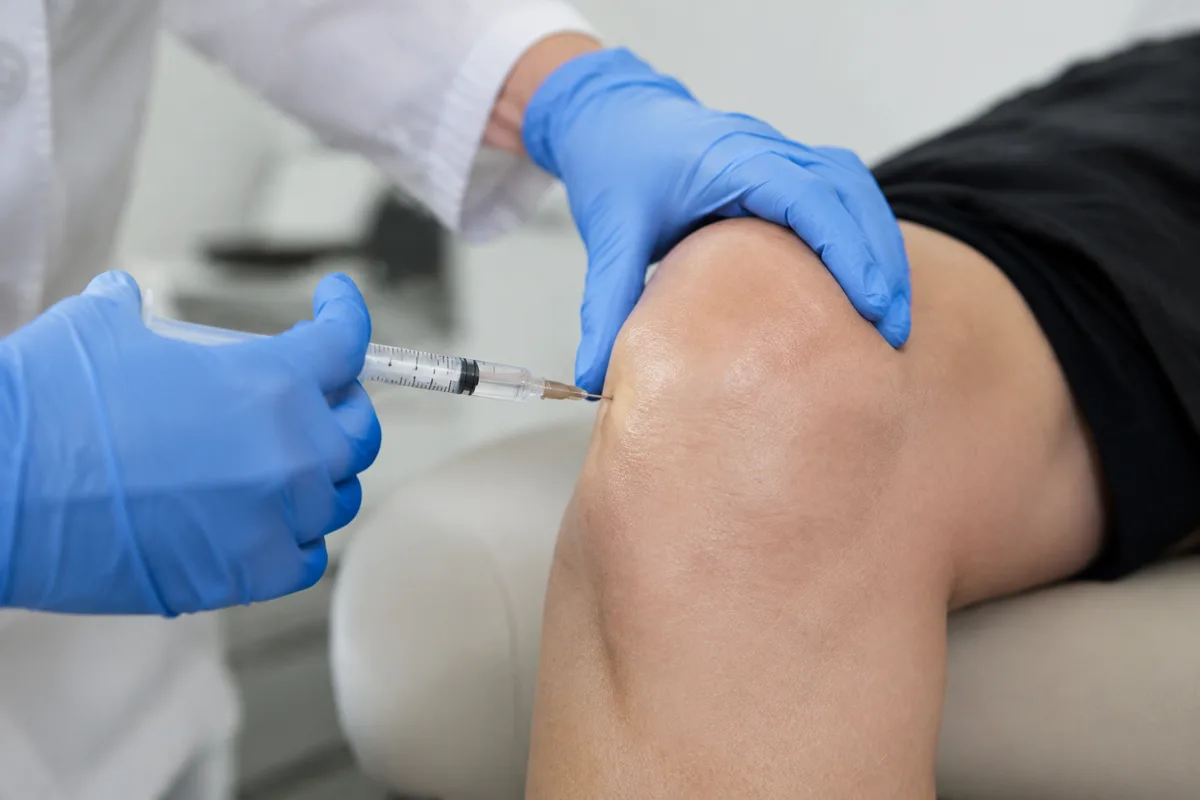
Joint Injection
Joint injections are used to help reduce pain and inflammation in joints affected by arthritis, overuse, or injury. They can support a broader rehabilitation plan by making movement more comfortable while other therapies address strength, flexibility, and function.
When Joint Injections May Help
- Osteoarthritis — ongoing joint pain and stiffness that limits daily activity.
- Localized inflammation — swelling or irritation in a specific joint that hasn't responded to other measures.
- Difficulty tolerating exercise — pain that makes it hard to participate fully in physical therapy.
How It Fits Into Care
Joint injections are typically considered alongside other services rather than as a stand-alone treatment. At our practice, this may include coordination with orthopedic services, pain management, or diagnostic testing such as MRI & X-Ray to help confirm the source of joint symptoms before treatment decisions are made.
What to Expect
- Assessment first — your joint symptoms and history are reviewed to determine whether an injection is appropriate.
- Brief procedure — injections are generally quick, performed in the office setting.
- Follow-up care — ongoing physical therapy or related services often continue afterward to support long-term joint function.
This content is for general information only and isn't medical advice. Talk with a qualified provider about your own situation. If you have a medical emergency, call 911.