Cold Packs
Cold Packs
Cold packs are a simple, familiar part of many physical therapy visits. At Physical Therapy and Rehabilitation Center of Brooklyn, cold therapy is used to calm swelling and pain after injury or treatment, helping the body settle so the rest of a treatment plan can do its work.
What Cold Packs is
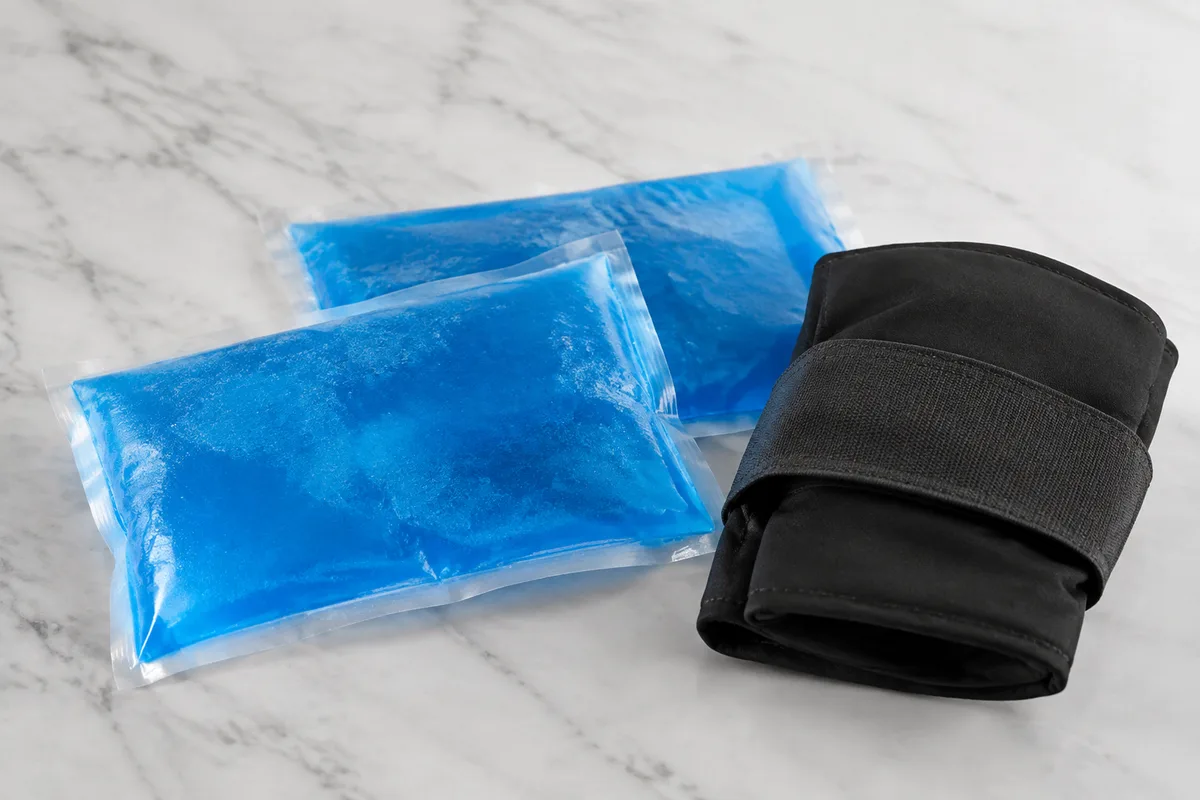
A cold pack is a pliable pouch, usually filled with a gel or reusable cooling medium, applied directly to the skin over an area of pain or swelling. As the area cools, blood vessels in the skin and underlying tissue narrow. This slows blood flow to the region, which helps limit the buildup of fluid and reduces the sensation of pain by temporarily numbing nerve endings near the surface.
Cold therapy has long been a standard, low-tech tool in rehabilitation because it is inexpensive, easy to apply, and effective for the specific job it does: managing acute inflammation and discomfort. It doesn't replace deeper treatment methods, but it complements them by making the area more comfortable to work with.
How we use it at Physical Therapy and Rehabilitation Center of Brooklyn
Cold packs are one of the on-site tools we draw on to calm swelling and pain after injury or treatment. They are often applied following a session of manual therapy, exercise therapy, or other hands-on work, when a joint or muscle may be irritated from the activity involved in rehabilitation.
Cold packs are commonly paired with other equipment available on site. For example, a session might begin with heat packs to loosen tight tissue and improve circulation before exercise, and end with cold packs to control any resulting inflammation. Cold therapy may also follow the use of electrical stimulation units or exercise on stationary bikes and treadmills, when a joint has been worked through a fuller range of motion than it's used to.
Because cold packs are used across many types of care — from back pain treatment and knee pain treatment to post-surgical rehabilitation and sports injury rehabilitation — they tend to show up as a supporting step within a broader plan rather than as a stand-alone treatment.
What it means for you
For patients, cold therapy offers a straightforward, non-invasive way to manage discomfort during recovery. It requires no medication, no needles, and no downtime — you can typically return to normal activity right after a session.
Some general benefits patients notice with cold therapy include:
- Reduced swelling — cooling narrows blood vessels near the surface, which can limit fluid buildup around an injured area.
- Calmer pain signals — the cold sensation can dull nerve activity in the treated area, making the spot feel less sensitive.
- A comfortable finish to exercise — applying cold after activity can make it easier to tolerate the next stretch of your rehabilitation program.
- An easy at-home habit — the same principle can be used at home between visits, following your therapist's guidance.
What to expect during your visit
Cold pack use is typically brief and simple. Before application, your therapist will check the area to be treated and confirm there's no reason to avoid cold exposure, such as a circulation concern or unusually sensitive skin. A thin barrier, like a cloth, is generally placed between the pack and your skin.
During application, you'll feel an initial cool sensation that deepens over the first few minutes. Most sessions last somewhere in the range of ten to twenty minutes, long enough to calm the tissue without over-cooling it. You may be seated or lying down on one of the treatment tables, and the pack is checked periodically.
Afterward, the treated area often feels calmer and less tender. Cold pack use is frequently one part of a longer visit that may also include manual therapy, exercise, or other equipment-based treatment, so your overall appointment time will reflect the full plan for that day, not just the cold therapy portion.
Is cold therapy safe?
Cold packs are considered a safe, well-tolerated treatment when applied correctly with a protective barrier and for an appropriate length of time. Your therapist will check the treatment area and adjust the approach if you have circulation issues or skin sensitivity. Let your therapist know right away if the area feels numb beyond the expected cooling sensation or if discomfort increases rather than eases.
Does it hurt?
Cold therapy is not typically painful, though the initial cold sensation can feel intense for the first minute or two before it settles into a milder, numbing feeling. Most patients find it tolerable and even soothing, especially after an area has been swollen or sore.
How often will I need cold packs?
The frequency depends on your specific condition and treatment plan. Some patients use cold packs after most sessions during an acute phase of recovery, while others use it only occasionally as swelling settles. Your therapist will guide how often cold therapy fits into your overall program.
Who is cold therapy suitable for?
Cold packs are used across a wide range of conditions, including sports injuries, post-surgical swelling, and general joint or muscle pain. They are generally appropriate for most patients, though your therapist will confirm suitability based on your specific health history and the area being treated.
If you'd like to learn more about how cold packs might fit into your care, reach out to Physical Therapy and Rehabilitation Center of Brooklyn to ask about scheduling a visit.
This content is for general information only and isn't medical advice. Talk with a qualified provider about your own situation. If you have a medical emergency, call 911.