Dumbbells
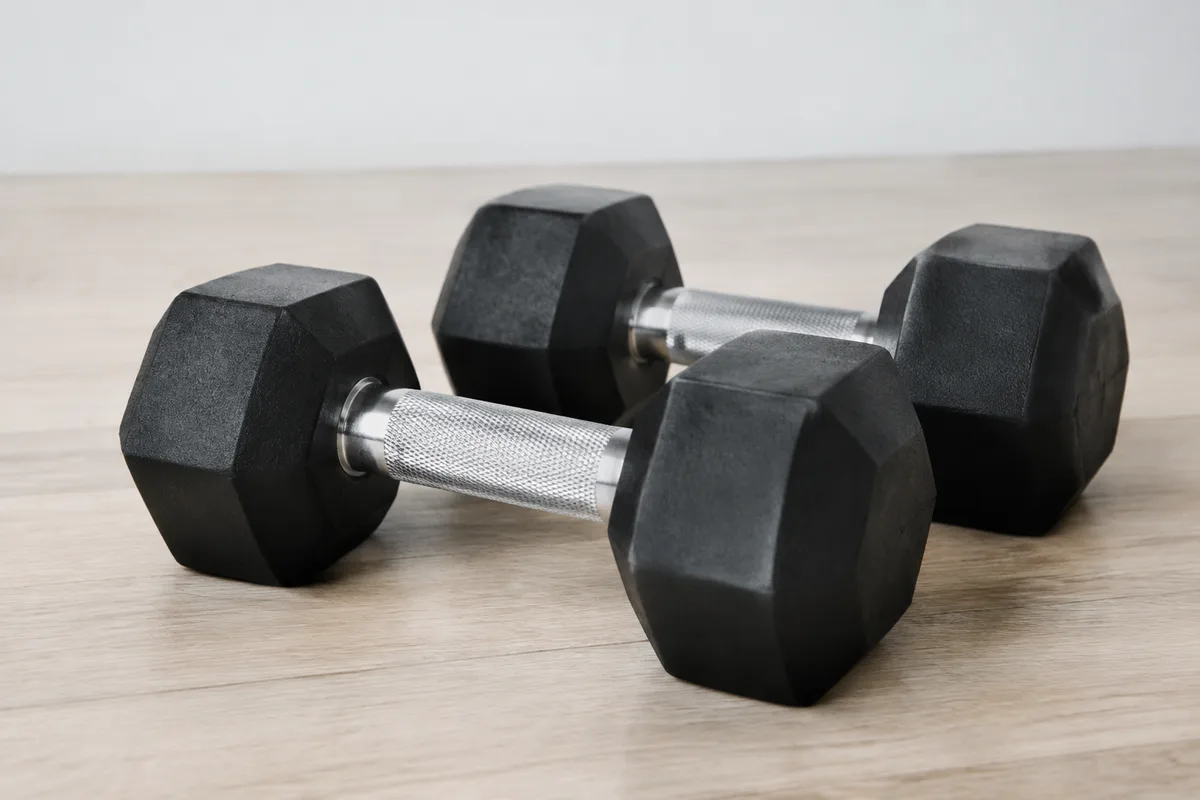
Dumbbells
Dumbbells are one of the simplest and most versatile tools used in physical therapy, offering a way to rebuild strength gradually and safely as part of a guided recovery program. At Physical Therapy and Rehabilitation Center of Brooklyn, free weights in a range of sizes support progressive strengthening as patients move through the stages of rehabilitation.
What dumbbells is
A dumbbell is a handheld free weight, available in graduated sizes so that resistance can be increased in small, manageable steps. Unlike machines that guide movement along a fixed path, dumbbells require the user to control the weight through space, which means muscles around a joint work together to stabilize as well as move it. This makes dumbbells useful for both building raw strength and retraining the coordination between muscle groups.
Free weights have long been a staple in strength training because they are simple, adjustable, and adaptable to nearly any exercise or body position. In a rehabilitation setting, they allow a therapist to start with a very light load and increase it only as tolerated, which supports a gradual, controlled return to normal strength rather than a sudden jump in demand on healing tissue.
How we use it at Physical Therapy and Rehabilitation Center of Brooklyn
Dumbbells are part of the exercise equipment available on site, offering a range of sizes so resistance can be matched to each patient's current strength and adjusted as recovery progresses. They are often introduced once a patient can move a joint through its available range comfortably, and can be paired with other tools such as exercise mats, stability balls, or resistance bands to build a well-rounded strengthening program.
Dumbbell exercises may be included as part of broader treatment plans such as post-surgical rehabilitation, sports injury rehabilitation, back injury rehabilitation, or general exercise therapy, depending on what a patient's plan of care calls for. Because dumbbells come in a range of sizes, the same piece of equipment can serve a patient just beginning to regain strength after an injury as well as one working toward more demanding functional goals later in recovery.
What it means for you
Working with dumbbells during physical therapy offers several practical advantages for patients recovering from injury or surgery:
- Gradual progression — small increases in weight let strength build without overloading healing tissue.
- Functional carryover — many dumbbell exercises mimic everyday movements like lifting, carrying, and reaching.
- Adaptability — the same equipment can be used seated, standing, or lying down, depending on what's appropriate for a given stage of recovery.
- Clear feedback — a therapist can easily see how a patient tolerates a given weight and adjust immediately.
Because the resistance is easy to see and measure, both patient and therapist can track progress in a straightforward way, session to session.
What to expect during your visit
Before starting dumbbell exercises, a therapist typically reviews the affected area's current strength, range of motion, and any precautions related to a recent surgery or injury. Warm-up may involve gentle movement or use of heat packs to prepare the muscles.
During the exercise portion, the therapist selects a starting weight, demonstrates correct form, and observes as the patient performs the movement, watching for proper alignment and any signs of strain. Sets and repetitions are adjusted based on how the patient responds. Sessions involving strengthening exercises are generally worked into the overall visit alongside other treatment components such as manual therapy or stretching.
Afterward, mild muscle fatigue is common and expected, similar to the feeling after any moderate exercise. Cold packs may be used if there is any soreness or swelling. Over successive visits, weight or repetitions are typically increased in small increments as strength improves.
Frequently asked questions
Is it safe to lift weights after an injury or surgery?
Dumbbell exercises in physical therapy are introduced and adjusted by a therapist based on your specific condition, so the starting weight and movements are chosen to be appropriate for where you are in recovery. Weight is increased gradually rather than all at once, which helps protect healing tissue while still building strength.
Will lifting weights hurt?
Some muscle fatigue or mild soreness afterward is normal, similar to what you might feel after any new exercise. Sharp or lasting pain is not expected, and your therapist will adjust the weight or exercise if something feels wrong during the session.
How often are dumbbells used during treatment?
This depends on your individual plan of care. Some patients use dumbbells at nearly every visit once they reach the strengthening phase of recovery, while others use them less frequently alongside other forms of therapy.
Who can use dumbbells in physical therapy?
Because dumbbells come in a wide range of sizes, they can be adapted for patients at very different strength levels, from someone just regaining basic movement after surgery to someone working on more advanced conditioning. Your therapist determines whether and when dumbbell exercises fit into your particular treatment plan.
If you'd like to learn more about how dumbbells and other strengthening tools might fit into your recovery, reach out to Physical Therapy and Rehabilitation Center of Brooklyn to schedule a visit.
This content is for general information only and isn't medical advice. Talk with a qualified provider about your own situation. If you have a medical emergency, call 911.