Electrical Stimulation Units
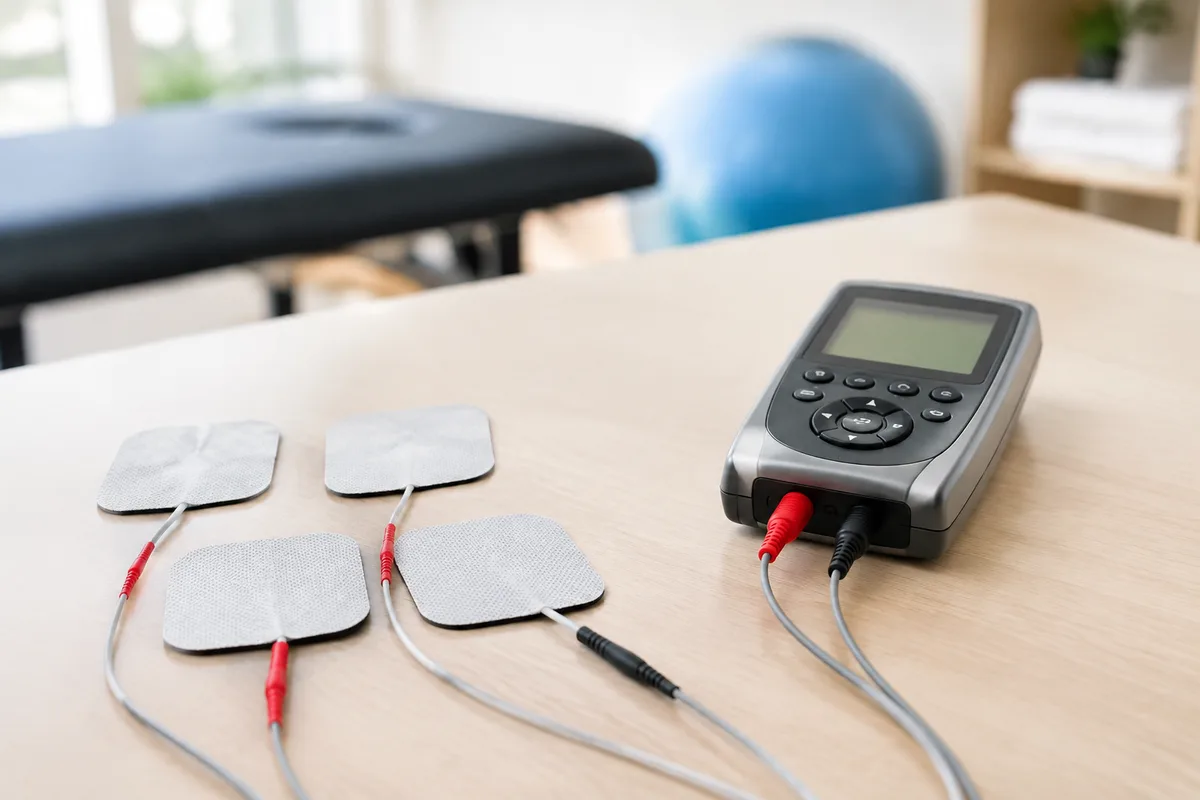
Electrical Stimulation Units
Electrical stimulation units are part of the everyday toolkit at Physical Therapy and Rehabilitation Center of Brooklyn, used to deliver gentle current that relieves pain and helps re-activate weak muscles. They are often paired with other hands-on and exercise-based approaches during a plan of care.
What electrical Stimulation Units is
Electrical stimulation, often called e-stim, uses a small device connected to electrodes placed on the skin to send a mild electrical current into the underlying muscles and nerves. Depending on the settings, the current can interrupt pain signals traveling to the brain, encourage a muscle to contract when it has become weak or inhibited, or simply increase local blood flow to support healing.
This approach grew out of earlier, bulkier stimulation devices used mainly in hospital settings. Modern units are compact, adjustable, and precise, allowing a clinician to target a specific muscle group or nerve pathway rather than treating the body broadly. The current itself is gentle and well tolerated, and settings are adjusted for each person's comfort and treatment goal.
There are different modes of stimulation, generally grouped by purpose:
- Pain relief modes — lower-intensity settings that calm nerve signaling and ease discomfort.
- Muscle re-education modes — stronger pulses that prompt a weak or inactive muscle to contract, helping patients relearn how to engage it.
- Circulation-focused modes — settings intended to support blood flow to the treated area.
How we use it at Physical Therapy and Rehabilitation Center of Brooklyn
At our Brooklyn practice, electrical stimulation units are one of several tools available on-site alongside treatment tables, ultrasound machines, and heat and cold packs. A clinician selects the mode and placement based on the muscle or nerve involved and the stage of a patient's recovery.
Because electrical stimulation addresses pain and muscle activation rather than the underlying cause of an injury on its own, it is typically used as part of a broader plan that also includes manual therapy, exercise therapy, or other services offered here. For example, it may be applied before exercise to calm pain and allow easier movement, or afterward to reduce soreness.
The specific service categories this equipment can support include pain management, back and neck pain treatment, sports injury rehabilitation, and post-surgical rehabilitation, among others on our services list, since these all commonly involve muscles that need to relax, activate, or recover circulation.
What it means for you
For patients, electrical stimulation offers a way to manage pain and muscle weakness without medication or invasive procedures. The sensation is generally described as a mild tingling or gentle pulsing rather than anything sharp or uncomfortable, and intensity is always adjustable to what feels tolerable.
Because the equipment is precise, treatment can be focused exactly where it is needed, which may make manual therapy or exercise feel more comfortable to perform in the same visit. This can make it easier to stay engaged with a home exercise program, since less pain in the moment often means more willingness to move.
Electrical stimulation is also non-invasive and does not require any recovery time, so patients can typically resume normal activity right after a session.
What to expect during your visit
During a visit that includes electrical stimulation, a clinician will first identify the muscle or area to be treated and clean the skin where electrodes will be placed. Small adhesive pads are positioned over or near the target area and connected to the unit by leads.
Once the device is turned on, the intensity is increased gradually until you feel a comfortable pulsing or tingling sensation — never anything painful. You may be asked to relax the area or, in some cases, to try to move or hold a position while the current is active, depending on whether the goal is pain relief or muscle re-activation.
Sessions with electrical stimulation are generally brief, often used as one part of a longer visit that also includes manual therapy or exercise. Afterward, the electrodes are removed and there is no downtime; you can return to normal activities immediately.
Frequently asked questions
Is electrical stimulation safe?
Yes, electrical stimulation is a widely used, non-invasive technique when applied by a trained clinician who selects appropriate settings for your condition. The current is kept at a comfortable, low level and is adjusted throughout the session based on your feedback.
Does it hurt?
No, most patients describe the sensation as a mild tingling, pulsing, or light muscle twitch rather than pain. The intensity is always set gradually and can be lowered at any time if it feels too strong.
How long does a session take, and how often is it used?
A typical application lasts a short portion of a visit, often used alongside other treatments such as manual therapy or exercise. How frequently it is used depends on your individual plan of care and the condition being addressed.
Who is electrical stimulation suitable for?
It is commonly used for a wide range of patients dealing with pain or muscle weakness, including those recovering from injury or surgery. A clinician will determine whether it is appropriate for your specific situation as part of your overall evaluation.
If you would like to learn more about whether electrical stimulation could be part of your care, reach out to Physical Therapy and Rehabilitation Center of Brooklyn to ask about scheduling a visit.
This content is for general information only and isn't medical advice. Talk with a qualified provider about your own situation. If you have a medical emergency, call 911.