Massage Guns
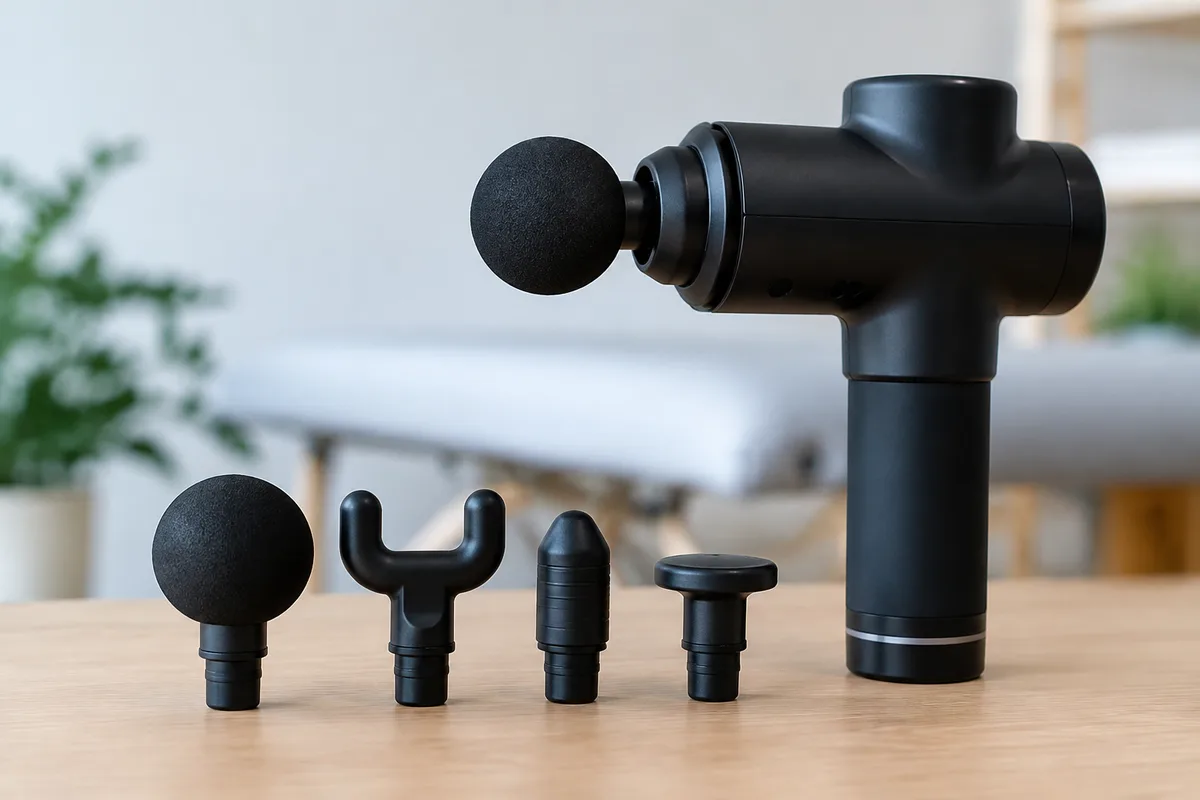
Massage Guns
Massage guns are one of the hands-on tools available at Physical Therapy and Rehabilitation Center of Brooklyn to help ease muscle tension and soreness as part of a broader physical therapy plan. They are used alongside other therapies to support comfort and movement during recovery.
What massage Guns is
A massage gun is a handheld device that delivers rapid, repetitive pulses of pressure into muscle tissue, a technique often called percussive therapy. The rhythmic tapping action works into superficial and deeper muscle layers to help release tightness, ease knots, and increase local blood flow to the area being treated.
This kind of targeted percussion built on older forms of manual massage, offering a way to apply consistent, repeatable pressure to a specific muscle group without relying solely on a clinician's hands. Because the device is portable and adjustable, it can be used on a wide range of muscle groups and tailored to a patient's comfort level.
How we use it at Physical Therapy and Rehabilitation Center of Brooklyn
At Physical Therapy and Rehabilitation Center of Brooklyn, massage guns are used to help release muscle tension and soreness, often as a complement to other hands-on and exercise-based treatment. They may be used before stretching or exercise to help loosen tight muscles, or afterward to help calm areas that feel sore following activity.
Massage guns can be incorporated into a visit alongside other equipment on site, such as foam rollers for self-massage, heat packs to relax muscles beforehand, or cold packs to manage soreness afterward. They may also be used in coordination with treatment tables during manual therapy or exercise therapy sessions, giving your care team another option for addressing muscle tightness as part of your overall plan.
What it means for you
For patients, percussive therapy can offer a comfortable, non-invasive way to address muscle tightness without added strain. Because the pressure and speed can be adjusted, treatment can be tailored to what feels right for your body and your current stage of recovery.
- Comfort — the intensity can be adjusted to suit your tolerance and the area being treated.
- Convenience — it can be incorporated quickly into a session without significant added time.
- Complementary care — it pairs well with other modalities like heat, cold, or manual therapy for a more complete approach to muscle tension.
What to expect during your visit
If massage guns are part of your visit, your therapist will typically identify the muscle areas that feel tight or sore, often based on your symptoms or the goals of your therapy session. The device is then applied directly to the skin or through light clothing, moving over the muscle in slow, controlled passes.
Most sessions with a massage gun last a few minutes per muscle group, and the sensation is usually described as a firm, rhythmic tapping rather than sharp or painful pressure. Your therapist will check in with you throughout to make sure the pressure feels appropriate and adjust the settings as needed.
Afterward, you may notice the treated area feels looser or less tense. This can make it easier to move into the next part of your session, whether that is stretching, exercise therapy, or another form of manual treatment.
Frequently asked questions
Is massage gun therapy safe?
When used appropriately by a trained provider, percussive therapy is generally considered a safe way to address muscle tension. Your therapist will assess whether it is appropriate for the area being treated and adjust the approach based on your comfort and condition.
Does it hurt?
Most patients describe the sensation as a firm tapping rather than pain. The intensity is adjustable, so if an area feels too sensitive, your therapist can reduce the pressure or move to a different technique.
How long does a session take?
Treatment with a massage gun is often brief, lasting a few minutes on a targeted muscle group, and is typically used as one part of a longer therapy session rather than as a stand-alone visit.
Who is it suitable for?
Massage guns may be used for a range of patients dealing with muscle tightness or soreness as part of their physical therapy care. Your therapist will determine whether this tool fits your specific condition and treatment plan.
If you would like to learn more about how massage guns might fit into your care, reach out to Physical Therapy and Rehabilitation Center of Brooklyn to ask about scheduling a visit.
This content is for general information only and isn't medical advice. Talk with a qualified provider about your own situation. If you have a medical emergency, call 911.