Resistance Bands
Resistance Bands
Resistance bands are one of the simplest and most versatile tools used in physical therapy. At Physical Therapy and Rehabilitation Center of Brooklyn, graded elastic bands are used to build strength gradually, and the same bands often go home with patients as part of an ongoing exercise program.
What resistance Bands is
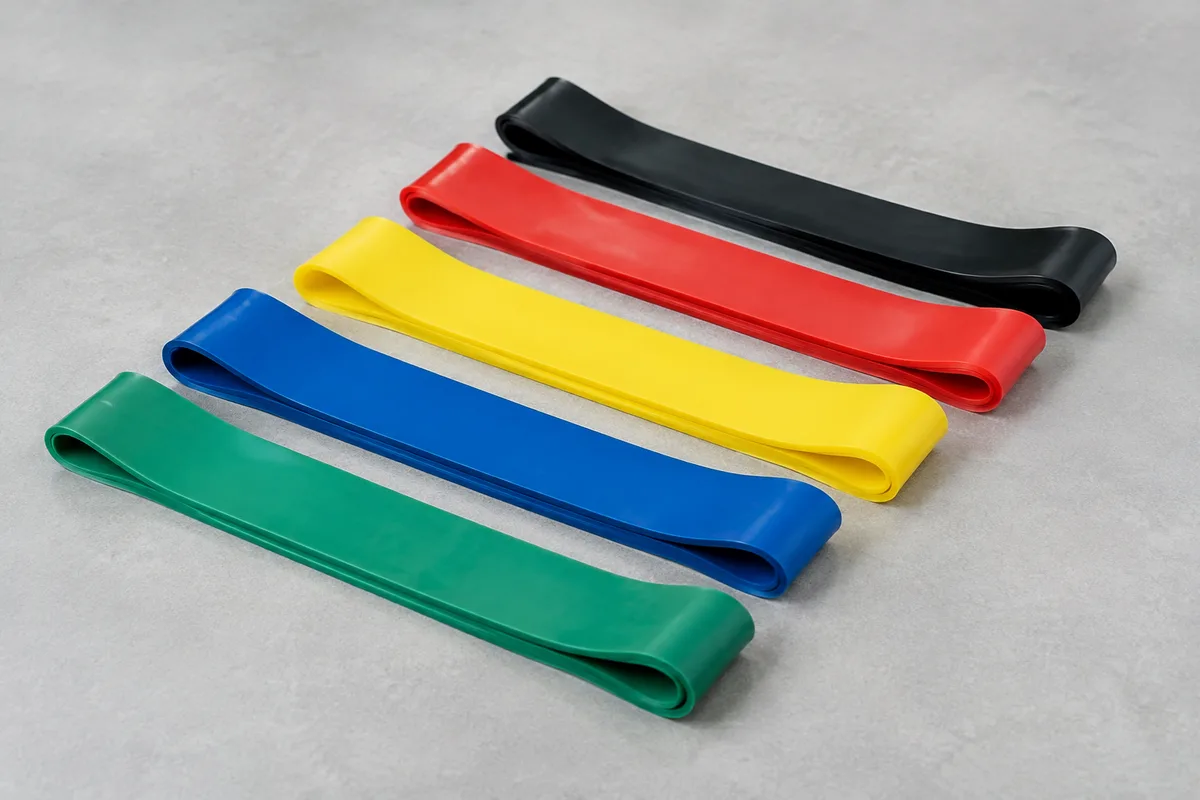
A resistance band is a length of elastic material that creates tension when stretched. That tension gives muscles something to work against, similar to a weight, but without the bulk, noise, or impact of free weights or machines. Bands come in a range of thicknesses and colors, each offering a different level of resistance, which allows a therapy program to be adjusted in small, precise increments.
Compared to fixed weights or gym machines, bands offer resistance through a full range of motion rather than just against gravity. This means a joint or muscle group can be challenged whether it is moving up, down, sideways, or in rotation. Bands are also lightweight and portable, which is part of why they translate so easily from a clinic setting into a home exercise routine.
How we use it at Physical Therapy and Rehabilitation Center of Brooklyn
Resistance bands are graded, meaning patients start with a lighter band and progress to a stronger one as strength and tolerance improve. This gradual approach is used to rebuild strength safely without overloading a healing joint, muscle, or surgical site. Because the bands go home with patients, the exercises practiced in the clinic can continue as part of a daily or weekly routine between visits.
Bands are often used alongside other equipment on site, such as exercise mats for floor-based work, exercise balls for balance and core stability, and pulley systems when a patient is working on shoulder or arm range of motion. This combination allows a therapy session to move from one exercise to the next without long setup times, and it gives each patient a mix of tools suited to their specific stage of recovery.
Because band work is adaptable, it fits into many of the rehabilitation programs offered at this practice, including recovery from sports injuries, post-surgical rehabilitation, and general exercise therapy where progressive strengthening is part of the plan.
What it means for you
For patients, resistance bands offer a way to build strength without the intimidation or strain that heavier equipment can bring. The resistance can be adjusted in very small steps, so a program can be tailored closely to what a joint or muscle is ready for on a given day.
Because bands are portable and easy to use outside of the clinic, they help patients stay consistent with home exercises between visits. Consistency between sessions is often what keeps a strengthening program moving forward, and a familiar tool that travels home with you makes that easier to maintain.
What to expect during your visit
During a session that includes band work, a therapist will typically select a band based on the muscle group being trained and how much resistance is appropriate at that stage of recovery. You may be positioned on a treatment table, standing, or seated, depending on the exercise. The band is anchored, held, or looped around a limb, and you move against its tension through a set of repetitions.
You should feel muscle effort and mild fatigue, but not sharp or lasting pain. Band exercises are usually incorporated into a broader session that may also include manual therapy, other strengthening equipment, or balance work, so the band portion itself may only take a few minutes within a longer visit. If bands are part of your home program, you will be shown how to anchor and use them safely before you leave.
Frequently asked questions
Are resistance bands safe to use?
Yes, when used with proper guidance on band strength and technique. A therapist selects the appropriate resistance level for your condition and adjusts it as you progress, which helps prevent overloading a healing area.
Will using a resistance band hurt?
You should feel muscle effort, not pain. If an exercise causes sharp or lasting discomfort, let your therapist know so the band, position, or movement can be adjusted.
How long does band work take, and how often is it used?
Band exercises are often just one part of a session that includes other equipment and hands-on treatment, so the band portion may take only a few minutes. How often they are used depends on your individual exercise program.
Who is resistance band training suitable for?
Resistance bands are used across many types of rehabilitation, from sports injury recovery to post-surgical strengthening, because the resistance can be scaled up or down to match where a patient is in their recovery.
If you would like to learn more about how resistance bands could fit into your recovery plan, reach out to Physical Therapy and Rehabilitation Center of Brooklyn to ask about scheduling a visit.
This content is for general information only and isn't medical advice. Talk with a qualified provider about your own situation. If you have a medical emergency, call 911.